
THE TRUTH SEEKER BLACK HISTORY SHORT VIDEO SERIES
a powerful short-form video series correcting the most persistent myths about black history
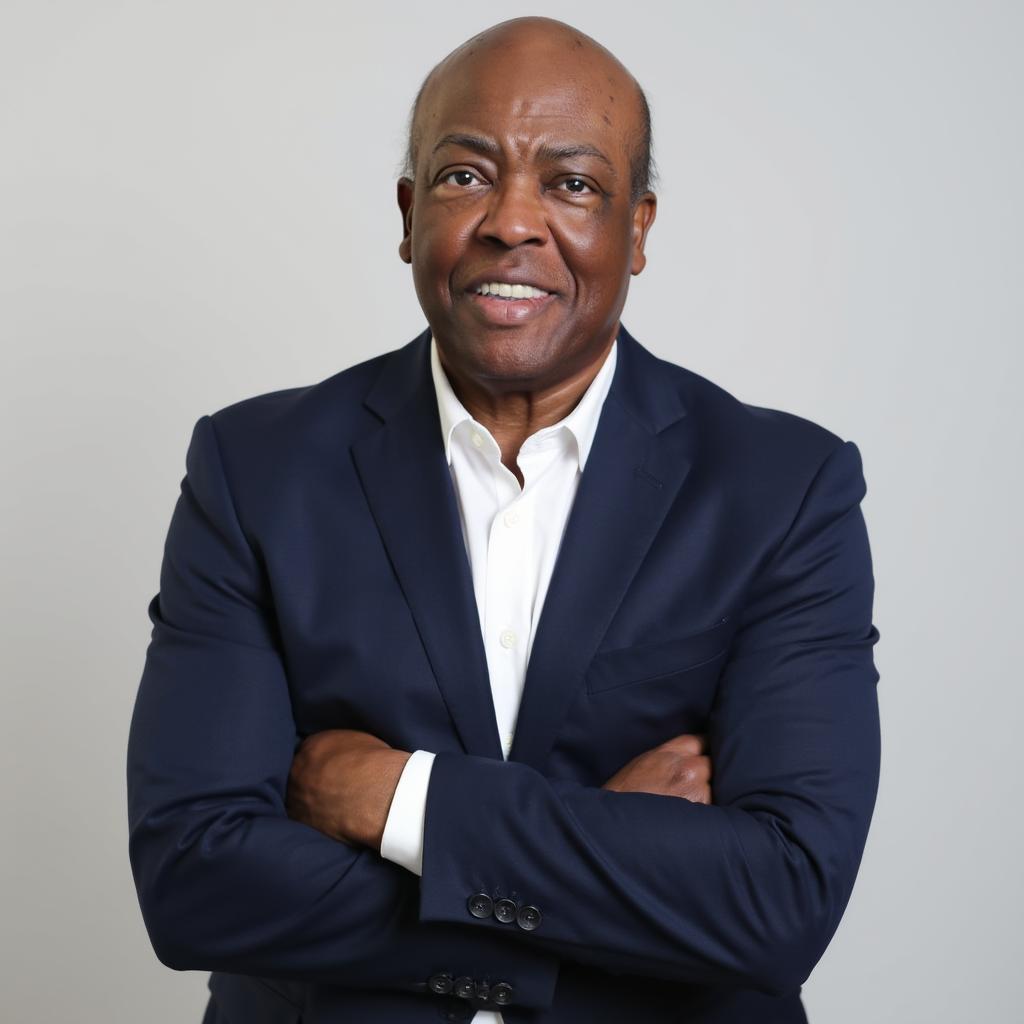
DR. CHARLES TAYLOR
Dear truth-seekers: for generations, Black history has been distorted by myths, omissions, and outright falsehoods; stories repeated so often they’ve come to feel like truth. From claims that enslaved Africans were “rescued” from Africa to the erasure of Africa’s great civilizations, these narratives strip Black history of its depth, dignity, and global significance. The Truth Seeker Black History Series exists to correct those long-standing falsehoods because a history without Africa is a tree without roots.
Many people sense something is missing. They want clarity. They want truth grounded in evidence, not ideology. But finding accurate, accessible Black history can feel overwhelming or out of reach. Truth Seeker was created to meet that need.
WHAT THE TRUTH SEEKER SERIES IS
The Series uses a simple but powerful approach to truth-telling: short, one-minute videos created for understanding, not lectures or technical explanations. Each of the 31 episodes focuses on a single, commonly taught myth and replaces it with documented historical truth. The series is intentionally designed to be accessible, engaging, and ready for conversation, making it easy for viewers to learn, reflect, and discuss what they’ve seen.
WHAT THE TRUTH SEEKER SERIES IS NOT
Truth Seeker is not opinion-based, political propaganda, or an attempt to rewrite history. Instead, it is grounded in evidence and historical scholarship. The series presents facts clearly and responsibly, allowing the truth itself to inform, challenge misconceptions, and deepen understanding.
HOW MYTHS SHAPE WHAT WE BELIEVE TODAY
Myths do more than distort the past; they quietly shape how people understand the present. When false stories are repeated in textbooks, media, and everyday conversation, they begin to feel like facts, influencing assumptions about intelligence, contribution, worth, and belonging. Over time, these myths shape attitudes, policies, and expectations, often without people realizing where those beliefs came from. Dispelling false myths is essential because misunderstanding history leads to misunderstanding people. When myths are replaced with evidence and context, it becomes possible to think more critically, challenge inherited assumptions, and build a more informed and honest view of the world we share.
- Behind the Series
ABOUT THE TRUTH SEEKER
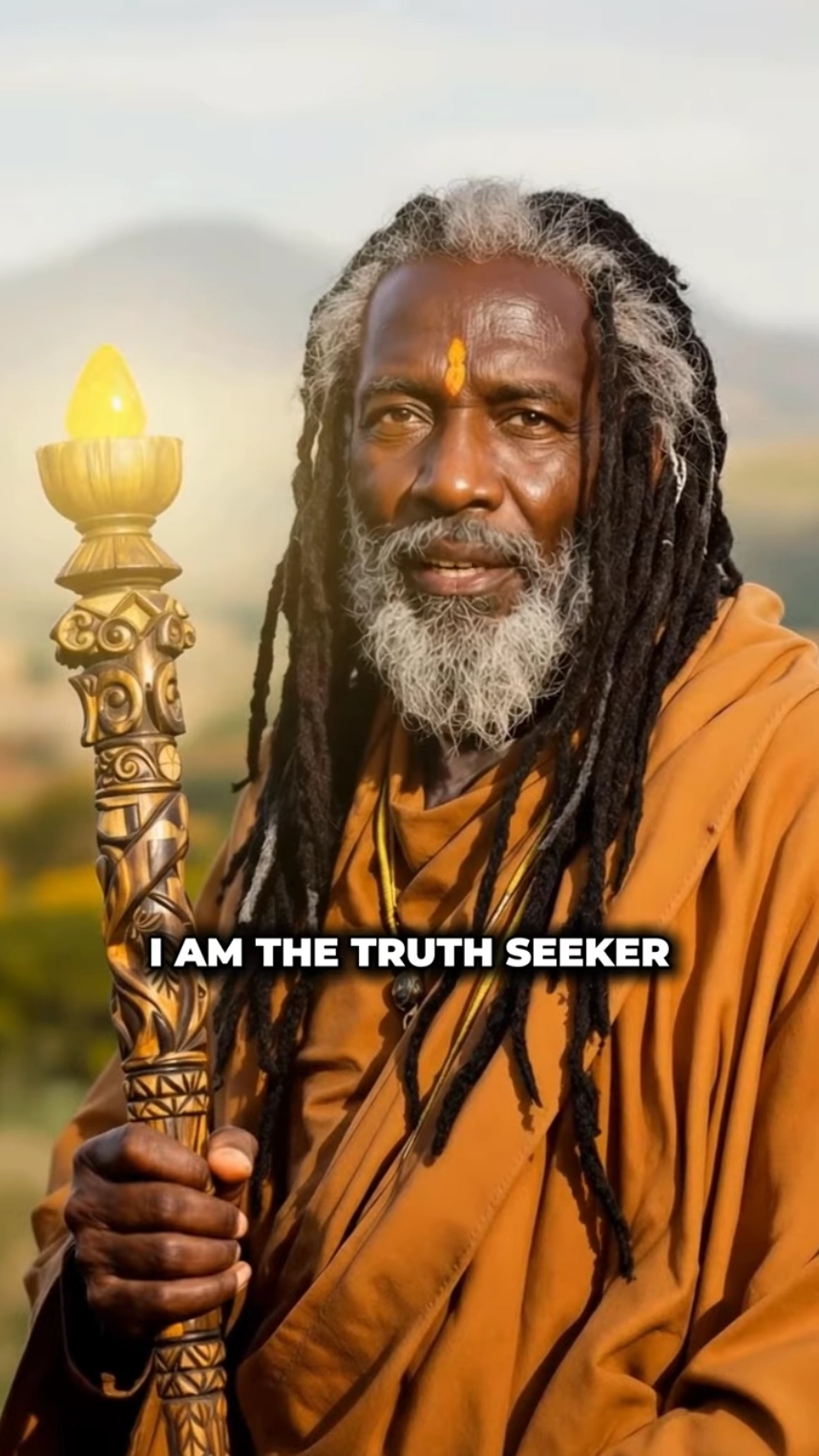
The series is hosted and narrated by an intellectual mystic called Truth Seeker, who makes accurate Black history accessible, engaging, and impossible to ignore.
Truth Seeker, an elderly Black sage, is wise, kind, and highly knowledgeable. He uncovers hidden facts, dismantles false narratives, and inspires meaningful dialogue across generations. Viewers love him for his honest and compassionate approach to telling the truth!
Check out an episode: Myth #1 — “Columbus Discovered America.”
WHY THE TRUTH MATTERS?
Truth matters because the stories a society tells about its past shape how people see themselves, others, and what they believe is possible. When history is distorted through myths, omissions, or selective storytelling, it doesn’t simply misinform; it quietly trains generations to accept inequality, erasure, and misunderstanding as normal. False narratives harden into “common sense,” and over time, they influence education, policy, and relationships in ways most people never consciously question.
Telling the truth does something different. It restores context, returns dignity to those who were erased, and invites a more honest understanding of how we arrived where we are today. Truth does not exist to shame or divide; it exists to clarify. When history is told accurately and responsibly, it gives people the tools to think critically, engage one another with greater empathy, and imagine a future rooted in understanding rather than denial.
WHAT MAKES TRUTH SEEKER DIFFERENT?
Most historical resources are long, academic, or inaccessible. Truth Seeker is different.
- One-minute episodes designed for today’s attention span
- Myth-by-myth structure that brings clarity
- Evidence-based, not opinion-driven
- Accessible to teens and adults alike
- Designed to spark conversation, not conflict
- Short videos. Big truths. Lasting impact.
WHAT WILL VIEWERS LEARN?
After watching the 31 short video series, viewers will:
- Understand how major Black history myths were created
- Recognize Africa’s central role in world history
- See Black contributions as skilled, global, and foundational
- Better understand Juneteenth and emancipation as processes
- Gain language and evidence to challenge misinformation
WHO IS THE TRUTH SEEKER SERIES FOR?
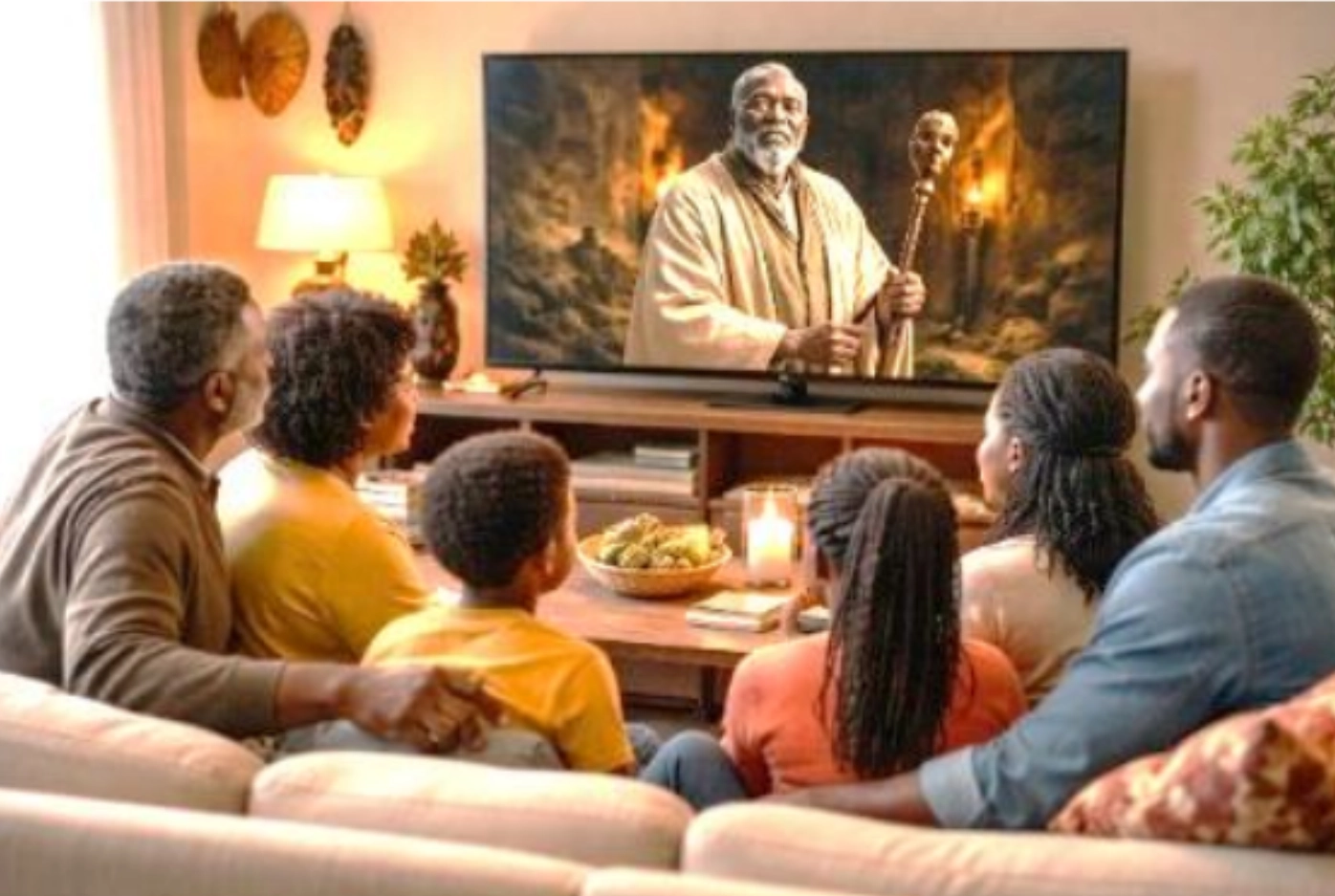
The Series is for anyone who wants an honest, evidence- based understanding of Black history, without distortion, oversimplification, or ideological spin. It is designed for educators, students, families, museum visitors, community groups, and lifelong learners who sense that the traditional story is incomplete and want clarity grounded in historical fact. Whether used for personal learning or shared discussion, the series meets people where they are, requires no prior expertise, and invites viewers of all backgrounds to engage the truth with curiosity, openness, and respect.
WHY IS THE SERIES SO EFFECTIVE?
Through factual, research-based storytelling, The Truth Seeker Black History Series was born out of a simple yet powerful mission: to set the record straight and restore honor to a people denied their roots. It replaces myths with evidence, erasure with pride, and silence with truth. When we learn the truth, the world begins to make sense. We see Africa not as a footnote, but as a cradle of civilization; not as a continent of “people without history,” but as a source of knowledge, skill, and innovation. This isn’t just about correcting the past; it’s about healing the present.
The series asks a simple but urgent question: What happens when we finally face the truth about our past? History shows us that truth is necessary for understanding, healing, and progress. When people of goodwill have worked together before, as in the case of the multiracial Underground Railroad, real change followed; those lessons still matter. This series calls on all people of conscience to face the truth together, help heal old wounds, and rediscover the lessons of unity that once made freedom possible. The truth may not always bring comfort, but it brings clarity, dignity, and hope, and it reminds us of who we are and what we can still become. Truth Seeker helps viewers see the past more clearly, enabling them to understand the present more fully.
PREVIEW THESE VIDEOS FROM THE SERIES FREE
We invite you to preview these sample episodes from the series and experience the power of truth-telling.
- https://youtube.com/shorts/fQwqcmhjRkk?feature=share
- https://youtube.com/shorts/p09pKX8cpMs?feature=share
- https://youtube.com/shorts/oCzhQmjK7e4?feature=share
“If these truths stirred you, imagine what you’ll learn from all 31episodes.

Watch Free Samples of the Truth Seeker Series here: https://youtube.com/shorts/fQwqcmhjRkk?feature=share
Now it’s your turn to join this movement for truth. Please share the series. Teach it. Live it. Every time the truth is spoken, the lies lose power. Together, we can reclaim our story and with it, the soul of our shared history.
ABOUT THE THREE PREVIEW EPISODES
Myth #1: “Columbus Discovered America.”
Running time: 1 minute
Core truth revealed: Indigenous people inhabited the Americas for tens of thousands of years before Columbus.
Why this matters: This episode sets the tone for the entire Truth-Seeker series: clear, evidence- based myth-busting.
Suggested uses:
- Intro to community history discussions
- Youth workshops
- Orientation for public programs
Myth #2: “Europeans Were the First People on Earth.”
Running time: 1 minute
Core truth revealed: Human civilization began in Africa. Early Africans migrated across continents, becoming the ancestors of all humanity.
Why this matters: It challenges a fundamental myth used to justify centuries of racial hierarchy and white supremacy.
Suggested uses:
- History classes
- Family learning programs
- Museum history galleries
Myth #5: “Enslaved Africans Were Unskilled Laborers.”
Running time: 1 minute
Core truth revealed:
Enslaved Africans brought highly specialized skills in agriculture, engineering, blacksmithing, carpentry, rice cultivation, boat building, medicine, textiles, and more. Much of America’s early economic rise was built directly on African expertise.
Why this matters:
This myth has erased African brilliance for centuries. Correcting it reshapes how we understand American innovation, cultural heritage, and the actual contributions of enslaved people.
Suggested uses:
- Juneteenth programming
- Anti-racism education series
- Museum lectures and workshops
References to support each truth can be found in the Truth-Seeker’s Facilitator’s Guide or in the book Juneteenth: The Promise of Freedom.
WHAT MAKES TRUTH SEEKER DIFFERENT?
| Myths | Truths |
|---|---|
| 1. Columbus discovered America | The Truth-Seeker reveals that the Americas were home to Indigenous nations for thousands of years before Columbus, and that the “discovery” story erases those civilizations. |
| 2. Europeans were the first people on Earth | The Truth-Seeker centers Africa as humanity’s birthplace, explaining that all people share African ancestry and that the claim of “first Europeans” is scientifically false. |
| 3. Whites were the world’s earliest explorers | The Truth-Seeker shows that exploration started in Africa where navigators were the first to follow the stars. |
| 4. Africa had no civilizations | The Truth-Seeker highlights documented African civilizations, scholarship, and architecture, reminding viewers that “no civilization” is an old colonial lie, not a fact. |
| 5. Enslaved Africans arrived in America without any skills | The Truth-Seeker reveals that enslaved Africans brought specialized expertise in agriculture, engineering, metalwork, carpentry, medicine, and more, which helped build early America. |
| 6. The Emancipation Proclamation instantly freed the enslaved | The Truth-Seeker clarifies what the Emancipation Proclamation did and did not do, showing emancipation as a process shaped by war, enforcement, and self-liberation. |
| 7. Slavery did not take longer to end in Texas | The Truth-Seeker explains why slavery’s end reached Texas later, highlighting how distance, war, and enforcement delays shaped people’s lives. |
| 8. Enslaved Blacks in Texas didn’t know that their freedom had been delayed | The Truth-Seeker shows that enslaved people were not ignorant; information traveled through Black networks and by word of mouth, often unevenly and dangerously. |
| 9. Slavery ended in 1865, and Blacks were finally considered equal | The Truth-Seeker distinguishes legal abolition from lived equality, showing how Black freedom was met with backlash, violence, and segregation systems. |
| 10. Blacks did not aggressively resist enslavement | The Truth-Seeker documents daily resistance, escape, sabotage, and organized revolts, showing resistance was constant, even when survival required secrecy. |
| 11. Black incompetence caused Reconstruction to fail | The Truth-Seeker explains that Reconstruction didn’t collapse because Black leaders were “incompetent.” It was undermined by organized white supremacist violence, political compromise, and the withdrawal of federal protection. |
| 12. The Civil Rights movement began in the 1960s | The Truth-Seeker shows that the 1960s were a peak, not the beginning; civil rights organizing stretches back through the NAACP, early 20th-century activism, and mid-century legal battles like Brown v. Board of Education. |
| 13. African Americans’ fight for justice is a recent phenomenon | The Truth-Seeker traces a centuries-long struggle for justice: petitions, escapes, abolition work, institution-building, lawsuits, and voting-rights battles span the full American story. |
| 14. Africa was responsible for the slave trade | The Truth-Seeker explains that the Atlantic slave trade was a global system driven by European demand, financing, shipping, and laws, while African participation varied and occurred under complex pressures. |
| 15. America was built solely by Whites | The Truth-Seeker shows that America’s wealth and institutions were built through Indigenous land, enslaved African labor, and many immigrant groups, so “solely by Whites” is a false ownership story. |
| 16. Racism ended during the 1960s | The Truth-Seeker explains that civil rights laws changed what was legal, but racism did not disappear; it adapted into housing, schooling, health, and justice disparities. |
| 17. Black history is separate from U.S. History | The Truth-Seeker shows Black history is central to democracy, labor, law, culture, war, and civil rights. Removing it removes the real story of America. |
| 18. Blacks accepted Christianity as it was taught to them | The Truth-Seeker explains that enslaved Africans did not simply accept imposed Christianity; they reshaped faith through African traditions, spirituals, and autonomous Black churches tied to liberation. |
| 19. Juneteenth is still primarily a Texas holiday | The Truth-Seeker shows Juneteenth began in Texas but spread nationwide as Black communities carried the celebration, now recognized broadly across the country and beyond. |
| 20. Learning the truth about Black History won’t affect racial healing | The Truth-Seeker argues that healing requires a shared reality. Truth-telling changes understanding, creates empathy, and supports fair policies. History can help us diagnose our racial wounds before we repair them. |
| 21. Myths about African History weren’t deliberate | The Truth-Seeker explains that many distortions of African history were used to justify slavery, colonization, and racial hierarchy, and that correcting the record is part of the repair. |
| 22. Blacks were free when the first 4th of July was celebrated | The Truth-Seeker reminds viewers that in 1776, slavery was legal when liberty was declared, while many Black people remained enslaved. |
| 23. Black contributions to the nation’s freedom have long been acknowledged | The Truth-Seeker shows that Black contributions to wars, civic life, and human rights struggles are documented, yet recognition has been delayed, minimized, or contested. |
| 24. Enslaved Blacks were passive, accepting their conditions | The Truth-Seeker documents constant resistance: escape, sabotage, cultural survival, and organized rebellion, at enormous risk. |
| 25. A few leaders led the Underground Railroad | The Truth-Seeker explains that the Underground Railroad was a broad, shifting effort powered by freedom seekers themselves and many allies, especially free Black communities. |
| 26. Black History began in chains | The Truth-Seeker shows that Black history does not start with slavery: Africa has a history of millennia of civilizations, scholarship, statecraft, and innovation. |
| 27. Blacks made no progress during Reconstruction | The Truth-Seeker explains that Reconstruction produced significant progress, including expanded schooling, political representation, and constitutional amendments, followed by a violent White backlash. |
| 28. The U. S. government rewarded black patriotism | The Truth-Seeker explains that Black Americans served the nation, yet benefits and protections were often denied through discrimination, especially via local administration of federal programs like the GI Bill. |
| 29. Students aren’t harmed when Black History is omitted | The Truth-Seeker explains that omission harms everyone: Black students lose a sense of belonging, non-Black students lose accuracy and empathy, and society loses shared truth. |
| 30. Teaching the truth about Black history is divisive | The Truth-Seeker argues truth isn’t divisive, denial is. Claims of “divisiveness” often pressure educators to avoid honest teaching about race and history. |
| 31. America needs no racial reckoning or healing | The Truth-Seeker explains that healing requires naming harm: acknowledging that measurable inequities rooted in historical policy persist, and reckoning is a patriotic responsibility to repair what history damaged. |
For generations, these myths shaped what we were taught about Black history. In this series, the Truth Seeker corrects all 31 clearly, calmly, and truthfully. Each myth is dispelled in a focused one-minute Truth-Seeker video. References to support each truth can be found in the Truth-Seeker’s Facilitator’s Guide or the book: Juneteenth: The Promise of Freedom.
More Truth Seeker videos coming in 2026
This summer, we plan to roll out at least 31 more unique videos from the esteemed Truth Seeker series. Watch an episode daily. We’ll announce it on this website
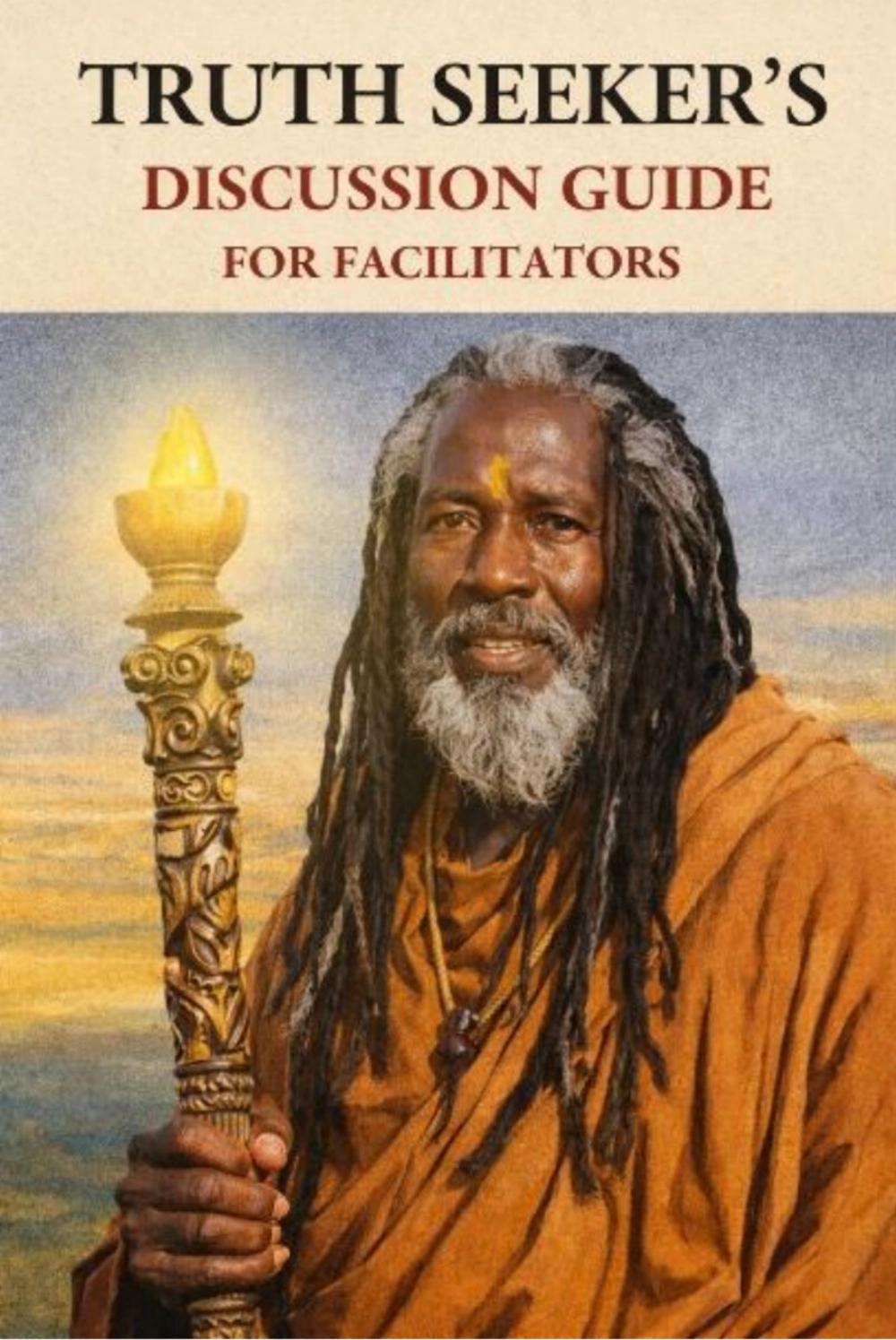
The Truth-Seeker Facilitator’s Guide
Want to go deeper? The Truth-Seeker Facilitator’s Guide transforms each video into a guided learning experience: turn watching into understanding. The guide includes episode summaries, core truths, credible references, and discussion questions designed for teens and adults. It’s perfect for readers who want context, evidence, and conversation, not just content. The Guide helps facilitators feel confident and prepared
“Who is the Truth-Seeker Series for and how should it be used?”
The Truth-Seeker series was created for classrooms, homes, churches, museums, communities, and individuals seeking easy and effective ways to learn, share, and discuss truthful Black history. Each video in the series is just one minute, making it simple to fit into busy schedules while still delivering powerful FACTS. No prior expertise required.
For Educators & Classrooms: Teach truth one minute at a time.
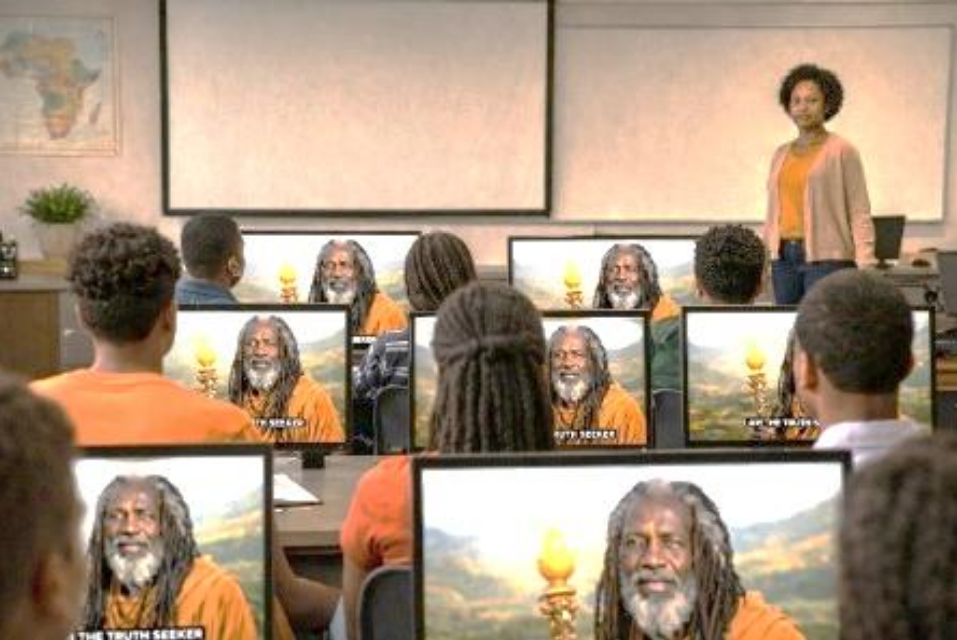
Teachers use the Truth-Seeker series as:
- A “Myth of the Day” lesson starter
- A discussion primer for history classes
- A powerful tool for in-class discussions
With minimal preparation, educators can spark curiosity, critical thinking, and meaningful conversation without overwhelming students. The series is:
- Age-appropriate,
- Research-based,
- Classroom-ready.
Just bring your curiosity and an open mind.
“Ideal for classroom use (middle school and above), lesson openers, and discussion starters. Short videos designed to fit into real teaching schedules.”
For Homeschool Families: A truth-based curriculum you can use at your own pace.
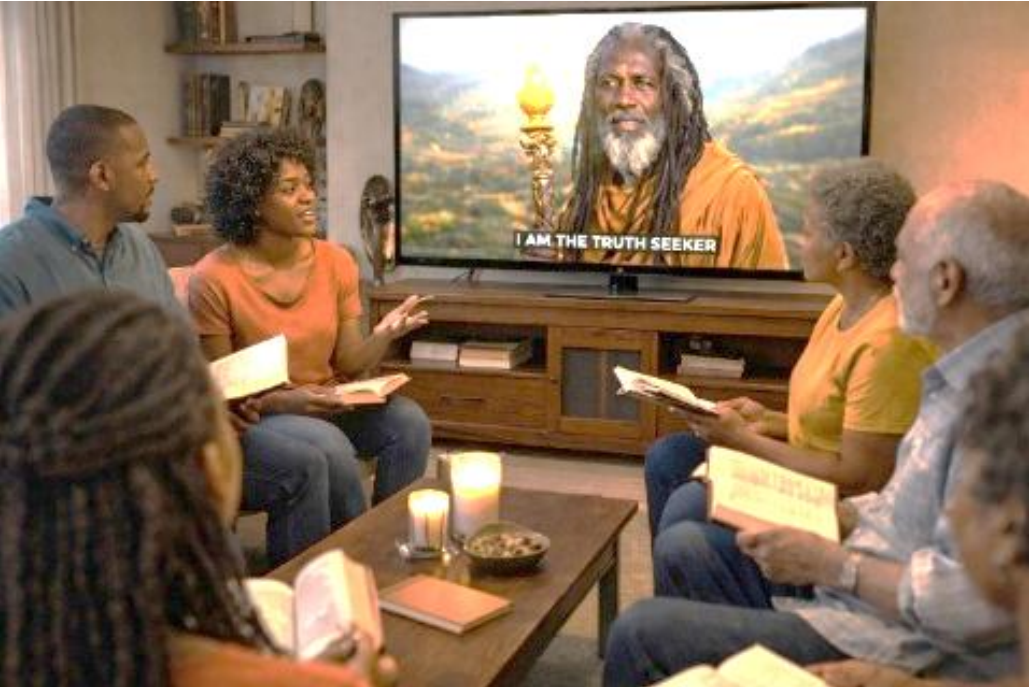
Homeschoolers use the series to:
- Watch one or two videos per week
- Discuss the videos using guided questions from the Truth Seeker’s Discussion Guide
- Build historical understanding across age levels
- The short format respects attention spans while opening the door to deeper learning.
“Use as a flexible, truth-based Black history curriculum. No prep required; watch, discuss, and reflect together. See for yourself how excited students get about Black history.”
Perfect for Black History Month, Juneteenth, Kwanzaa, and MLK Holiday.
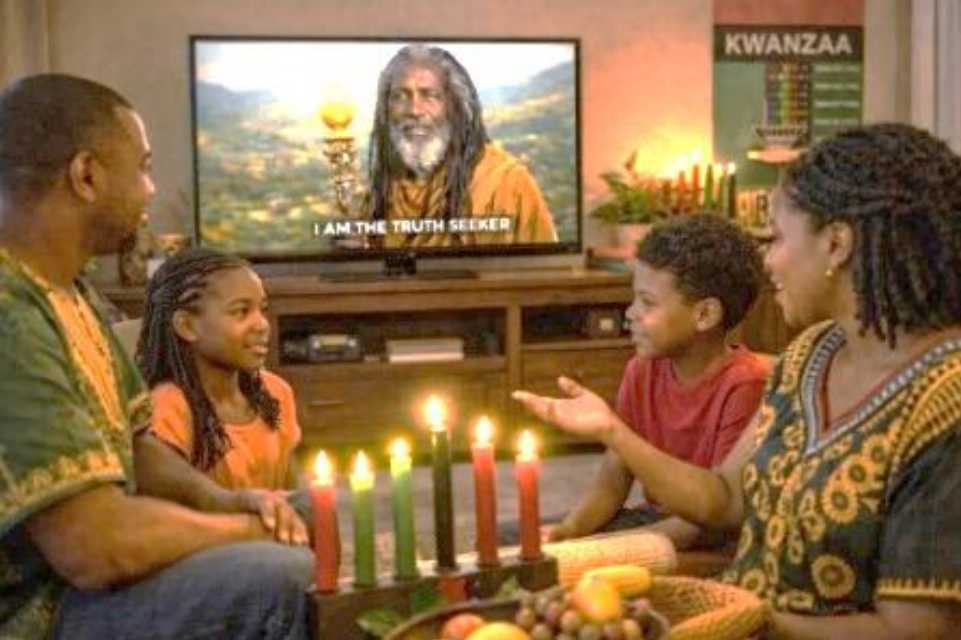
Organizations and families use Truth-Seeker episodes to:
- Anchor daily programming and discussions
- Open or close special events with factual reflections
- Create teachable moments during celebrations
One minute is all it takes to ground a moment in truth. The series is:
- Meaningful,
- Memorable, and
- Time-efficient
For Churches & Faith Communities: Truth, reflection, and restoration rooted in history.
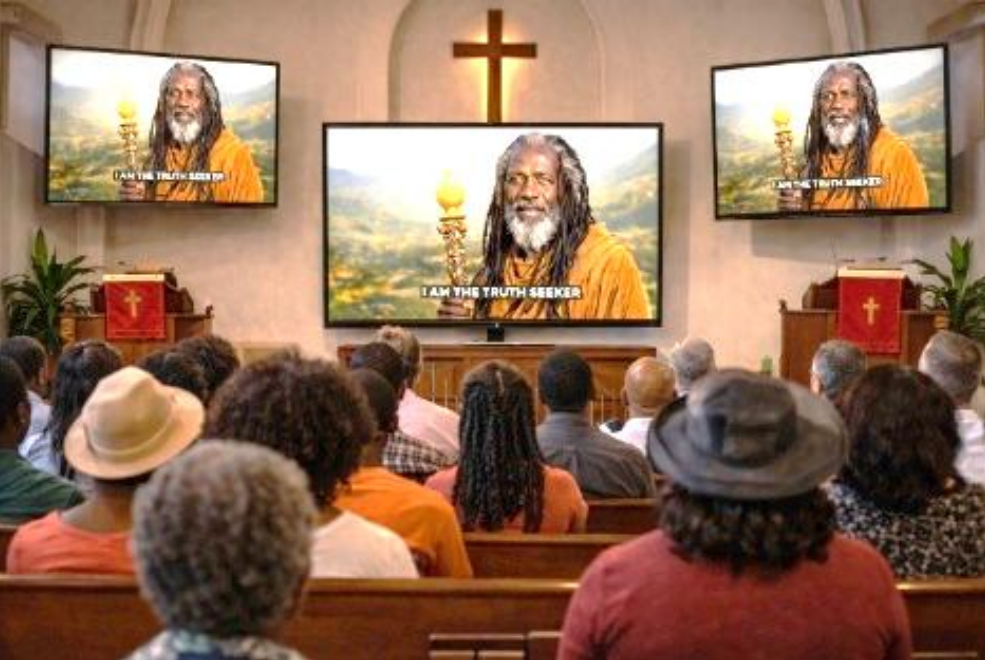
Churches use the series for:
- Adult education classes
- Youth ministry discussions
- Social justice and study groups
The Truth-Seeker’s calm, respectful voice aligns naturally with faith-based reflection and moral learning. The series is:
- Thought-provoking,
- Accessible,
- Spiritually grounded
“A thoughtful resource for study groups, youth ministries, and adult education.”
For Museums & Cultural Institutions: Factual history with compelling storytelling.
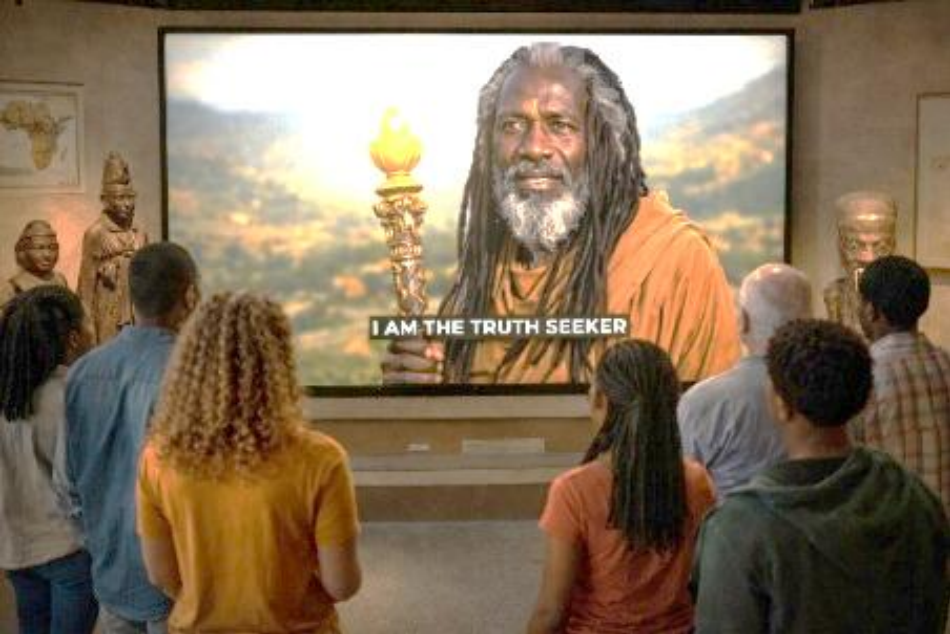
Museums integrate the Truth-Seeker series into:
- Exhibit video stations
- Program introductions
- Family and youth learning days
The one-minute format keeps visitors engaged while delivering accurate historical context.
- Ideal for kiosks & monitors,
- Intergenerational appeal, and
- Easy exhibit integration
For Community Groups & Book Clubs: Start conversations that matter.
Community organizations use Truth-Seeker episodes to:
- Launch group discussions
- Facilitate intergenerational dialogue
- Support healing conversations around history
The focus on truth, not blame, creates space for understanding and connection.
- Calm, respectful tone,
- Encourages listening and
- Builds shared understanding.
“Perfect for group discussions, healing circles, and cultural programs. Encourages dialogue without confrontation.”
For Personal Learning & Reflection: Learn the truth at your own pace.
Individuals use the series as:
- A self-guided learning journey
- A daily or weekly reflection
- A way to fill gaps in historical knowledge
Just one minute can change how you see history.
- Watch anytime
- Learn anywhere
Frequently Asked Questions
I. ABOUT THE TRUTH SEEKER SERIES
The Truth Seeker series is a collection of 31 one-minute educational videos created by Dr. Charles Taylor. Each episode corrects a widely taught myth about Black history and replaces it with documented, research-based historical truth. The series is designed for museums, schools, community organizations, families, and lifelong learners seeking accurate, engaging Black history content. The entire series of 31 professionally produced videos sells for only $89.
Why are the videos only one minute long?
The one-minute format is intentional. It makes the content accessible, memorable, and easy to integrate into exhibits, classrooms, public programs, and community events. Short episodes work especially well for gallery stations, kiosks, youth engagement, family learning, and intergenerational audiences without requiring long attention spans or disrupting existing programming.
What kinds of myths does the series address?
The series focuses on persistent myths that have shaped public understanding of history, such as:
- “Columbus discovered America.”
- “Europeans were the first people on Earth.”
- “Africa had no civilizations.”
- “Enslaved Africans were unskilled.”
- “Freedom came immediately after emancipation.”
Across all 31 episodes, Truth Seeker addresses myths related to African origins, civilization, labor, resistance, emancipation, and Juneteenth.
Is the series appropriate for children and families?
II. CREDIBILITY & DIFFERENTIATION
Is the series historically credible?
Yes. The series is grounded in established historical and scholarly research. Dr. Taylor is an author, educator, and nationally recognized Juneteenth scholar whose work contributed to the movement that made Juneteenth a national holiday. The series reflects modern historical consensus, not speculative or fringe theories.
How does Truth Seeker differ from traditional documentaries?
Unlike long-form documentaries, Truth Seeker delivers focused, myth-by-myth corrections in short, digestible segments. The Truth Seeker character acts as a wise guide, not a lecturer, inviting reflection rather than debate. This format is especially effective in museums and public learning spaces where engagement happens in short bursts.
Is the series opinion-based or political?
No. Truth Seeker is educational, not partisan. It does not promote political ideology or advocacy. It presents historically supported facts that correct widely taught misconceptions, aligning with best practices in public history and education.
III.USE IN MUSEUMS, SCHOOLS, & COMMUNITIES
How can museums and institutions use the series?
Institutions commonly use Truth Seeker for:
- Gallery video stations or kiosks
- QR-code interactives
- Theater screenings or program openers
- Juneteenth and Black History Month programming
- Youth workshops and school tours
- Facilitated community dialogues
The short format makes the series easy to embed into existing exhibits and programs.
Why is Truth Seeker especially relevant for Juneteenth?
Juneteenth commemorates freedom, but freedom requires truth. Truth Seeker helps audiences understand what was delayed, erased, and misunderstood about emancipation, while also highlighting African brilliance, resistance, and resilience before and after slavery. The series deepens Juneteenth programming by connecting the celebration to its historical context.
Who benefits most from the series?
Truth Seeker benefits:
- Youth who often receive an incomplete historical education
- Families and intergenerational learners
- Educators and museum professionals
- Communities hosting Juneteenth or Black History Month events
Because the content is short-form and accessible, it reaches learners who may disengage from traditional history instruction.
IV. ADDRESSING CONCERNS & INSTITUTIONAL VALUE
Is the series controversial or divisive?
Challenging myths is not divisive; it is a core function of education. Museums and schools already address complex histories such as enslavement, colonization, and genocide. Truth Seeker presents corrections calmly, clearly, and evidence-first, encouraging understanding rather than blame
What if visitors, donors, or stakeholders object?
Does this expose institutions to risk?
No. The content does not defame individuals, promote hate, or violate educational standards. Increasingly, institutions face greater reputational risk from avoiding truthful history than from presenting it responsibly.
What is the institutional upside of adopting Truth Seeker?
Institutions that adopt the series position themselves as:
- Leaders in truth-based education
- Trusted community resources
- Organizations committed to historical accuracy and integrity
Truth Seeker strengthens programming, increases engagement, and supports institutional missions, while enabling full control over implementation.
INDIVIDUAL BUYER FAQ
How do I access the series after purchase?
You receive immediate digital access to all 31 videos.
Can I watch at my own pace?
Yes. Watch it anytime, in any order.
Is the Facilitator’s Guide required?
No, but it’s recommended for a deeper understanding and to support discussion.
Can I share it with others?
Personal purchases are for individual or informal group use. Of course, schools, museums, clubs, and organizations can share it with their constituents. But only one school, not the district.
Do facilitators need training?
No. The guide provides structured, easy-to-use support.
“Truthful history strengthens understanding. The Truth Seeker series supports education that is honest, responsible, and rooted in evidence.”
Truth doesn’t divide us. It helps us understand how we got here, and where we go next.
OWN THE TRUTH SEEKER VIDEO SERIES
Discover the Truth They Never Taught You About Black History
If you’ve ever sensed that the history you learned was incomplete… you were right.
The Truth Seeker Video Series is a powerful collection of 31 one-minute, myth-busting videos narrated by the Truth-Seeker, each episode exposing a common Black history myth and replacing it with clear, documented truth. This series was created for educators, families, churches, museums, book clubs, and community leaders who want to teach Black history with courage, clarity, and credibility.
Why you should own the Truth Seeker Series
 31 myths exposed in minutes (perfect for modern attention spans)
Built for discussion + reflection — not argument or guilt
Helps participants think critically using evidence, not opinions
Perfect for Black History Month, Juneteenth, classrooms, and community dialogue
Supports racial understanding and healing through shared truth
Pairs directly with the Truth-Seeker Facilitator’s Guide (your ready-to-use discussion manual)
This isn’t entertainment. It’s a teaching tool. A truth tool. A healing tool.
ONE LOW PRICE: $89 One-Time Purchase
No subscription. No renewals. No licensing fees.
When you buy the Truth Seeker Series, you own it for your use and can STREAM it anytime.
What Happens After You Buy?
Your Next Step
If you’re ready to bring truth into your classroom, group, church, family, or community…
◍ Get the Full Truth-Seeker Series — $89
What happens after you buy?
Your purchase is delivered instantly through Vimeo: https://vimeo.com/home. As soon as you buy, the complete series becomes available in your Vimeo account, ready to stream anytime. Important note: Vimeo On Demand purchases must be made on a desktop browser (Vimeo may not allow purchasing within the mobile app). (Vimeo Help Center)
Here’s what to expect:
- You’ll be able to stream the series anytime through Vimeo, or you can download it.
- Your purchase will appear automatically in your Vimeo account under Purchases, and you can start watching immediately from the Truth-Seeker page. (Vimeo Help Center)
- You can watch on your computer, phone/tablet, or cast to your TV using AirPlay or Chromecast (where supported). (Vimeo Help Center)
Why These Episodes Include a Brief Book Ad Message
Before you watch, I want to mention something up front: each Truth-Seeker episode ends with a short message about my companion book, Juneteenth: The Promise of Freedom. I included it for a couple of simple reasons. First, it helps me keep the full 31-episode series priced in a way that’s affordable for everyday people, families, and educators. Second, these videos are designed to be short, powerful “truth sparks”—but the book goes deeper, with more context, history, and sources behind every myth we expose. And third, your support helps me continue producing new episodes and educational resources without relying on sponsors who could water down the message. Thank you for understanding, and I’ll make this promise: With your support, all new Truth-Seeker videos in 2026 will be completely ad-free.
If you need help accessing your purchase?
- 1. Log in to Vimeo using the account you used at checkout
- 2. Go to Purchases
- 3. Click the Truth-Seeker Series to begin watching
- 4. Contact Vimeo support if needed