
THE TRUTH-SEEKER FACILITATOR’S GUIDE
Everything You Need to Facilitate Honest Black History Conversations
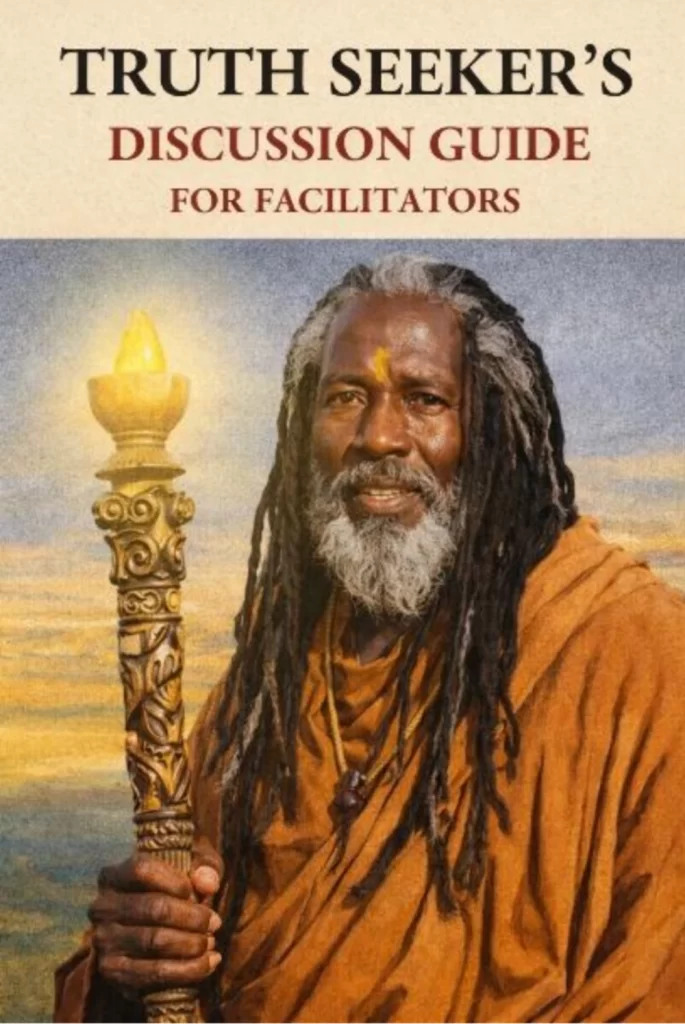
The Truth-Seeker Discussion Guide is a practical guide for teaching the Truth Seeker series, designed to help educators, museums, families, and community leaders turn powerful one- minute videos into meaningful learning experiences. Built around 31 myth-busting episodes, the guide equips facilitators to move beyond passive viewing and into thoughtful discussion, critical thinking, and truth-telling.
Each episode entry in the guide includes a clear summary, the core truth revealed, why the episode matters, credible references for deeper learning, and discussion questions tailored for middle grades, high school students, and adult learners. The structure is simple and intentional: watch the short one-minute video first, then use the guide to unpack the history, challenge assumptions, and explore the evidence together.
Lead Honest Black History Conversations with Confidence
The Truth-Seeker Facilitator’s Guide gives you everything you need to turn short, powerful videos into meaningful, evidence-based conversations about Black history.
Created to accompany the Truth Seeker Black History Series, this guide helps participants move beyond passive viewing into clarity, understanding, and dialogue without fear, guesswork, or being overwhelmed. You don’t need to be a historian or expert; you just need to be willing to guide the conversation honestly and confidently.
What Topics Does the Guide Cover?
The guide follows the full Truth Seeker series, beginning with foundational myths such as “Columbus discovered America” and “Europeans were the first people on Earth,” and progressing through essential truths about:
- Africa’s civilizations and global influence
- Exploration and innovation
- Enslavement, labor, and resistance
- Emancipation and delayed freedom
- The historical meaning of Juneteenth
Each entry replaces long-standing false narratives with documented historical truth.
What Makes This Guide Different
Many discussion resources overwhelm facilitators with dense content or vague prompts. The Truth-Seeker Guide is different. It is designed for real-world use in short programs, busy classrooms, museum galleries, and community settings.
- Clear, myth-by-myth structure
- Evidence-based, not opinion-driven
- Age-appropriate by design
- Supports dialogue, not debate
- Built to handle sensitive topics with care
This guide doesn’t tell people what to think; it helps them learn how to think more clearly about history.
Who This Guide Is For
The Truth-Seeker Facilitator’s Guide is ideal for:
- Middle school, high school, and college educators
- Museums and cultural institutions
- Libraries and public humanities programs
- Juneteenth and Black History Month organizers
- Faith leaders and community facilitators
- Parents and intergenerational learning groups
If you’ve ever asked yourself, “How do I lead this discussion well?”—this guide is for you. Whether you are leading a classroom, hosting a public program, or guiding an intergenerational conversation, this guide provides structure, clarity, and confidence.
- Behind the Book
ABOUT THE TRUTH SEEKER
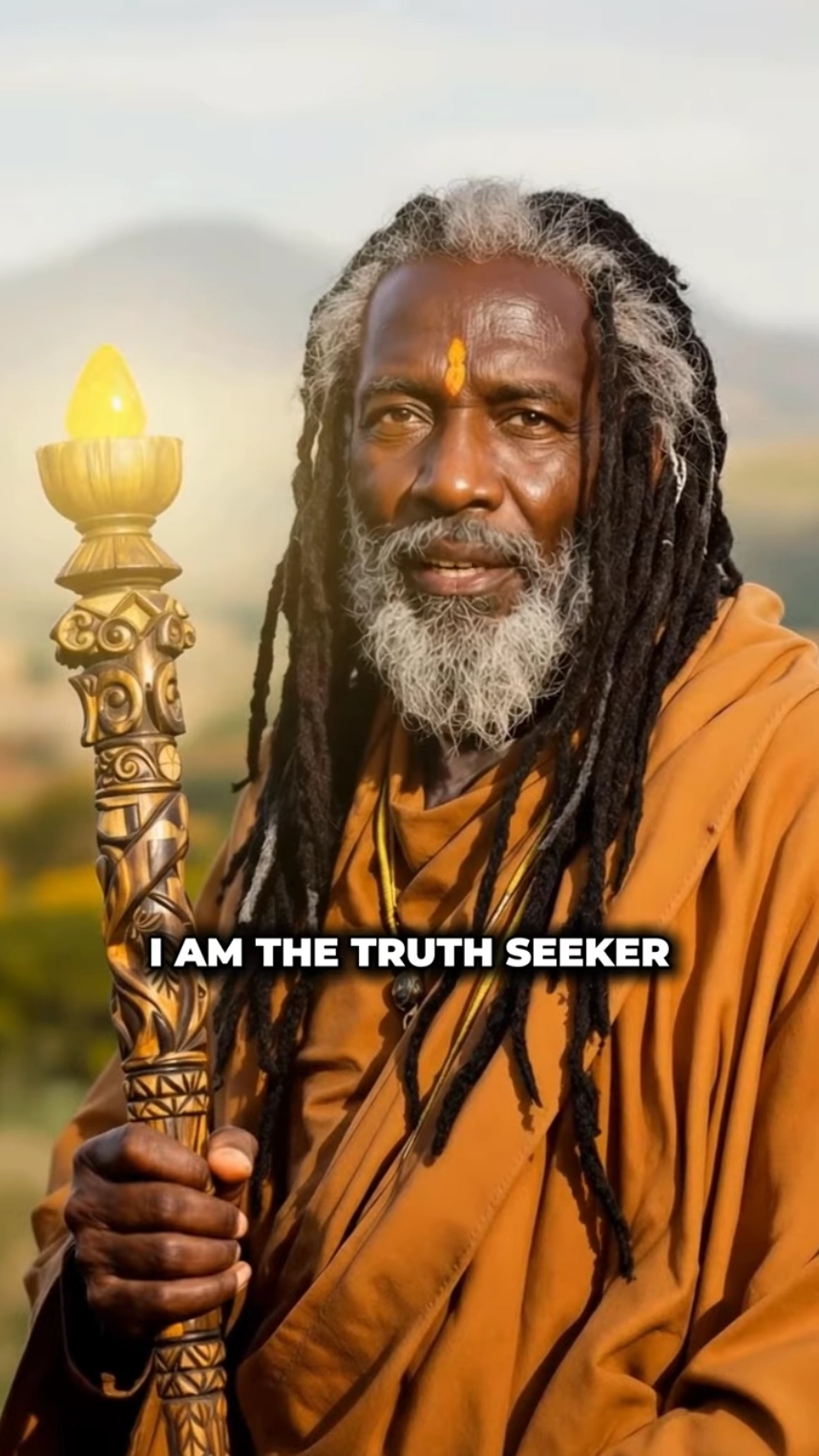
The series is hosted and narrated by an intellectual mystic called Truth Seeker, who makes accurate Black history accessible, engaging, and impossible to ignore.
Truth Seeker, an elderly Black sage, is wise, kind, and highly knowledgeable. He uncovers hidden facts, dismantles false narratives, and inspires meaningful dialogue across generations. Viewers love him for his honest and compassionate approach to telling the truth!
Check out an episode: Myth #1 — “Columbus Discovered America.”
How Is This Guide Different from a Lesson Plan or Curriculum?
The Truth-Seeker’s Guide is not a rigid curriculum. It is a conversation tool designed to:
- Lower defensiveness
- Encourage inquiry instead of debate
- Adapt easily to different age groups and settings
- Support honest learning without oversimplification
- Explain the historical meaning of Juneteenth
It works equally well, whether in a classroom or a living room.
Do Facilitators Need Training?
No formal training is required. The guide is designed to be self-explanatory and facilitator-friendly. It includes clear questions, references, and suggested discussion flows that build confidence even for first-time facilitators.
Is the Content Controversial or Political?
Only to those not interested in the truth about Black History. The guide supports evidence- based historical education, not political advocacy. It corrects myths using documented research and calm, respectful language. Challenging misinformation is not divisive; it is a core responsibility of education and cultural institutions.
Why This Guide Works
Truth doesn’t change minds by force. It works when people are given context, evidence,
and space to think. This guide helps ensure that truth is not just heard, but understood,
discussed, and remembered.
Why This Guide Works
Organizations use this guide because it:
- Strengthens educational credibility
- Increases participant engagement
- Supports honest, respectful dialogue
- Reduces risk by grounding conversations in evidence
- Supports educational standards in your state
It helps institutions teach history responsibly without avoiding complexity or creating
confusion.
Will the Guide Help with Difficult Conversations?
Yes, and that’s one of its greatest strengths. The guide is designed to:
- Encourage curiosity over argument
- Keep conversations grounded in evidence
- Help facilitators respond calmly and confidently
It supports learning, not confrontation.
Ready to Lead with Confidence?
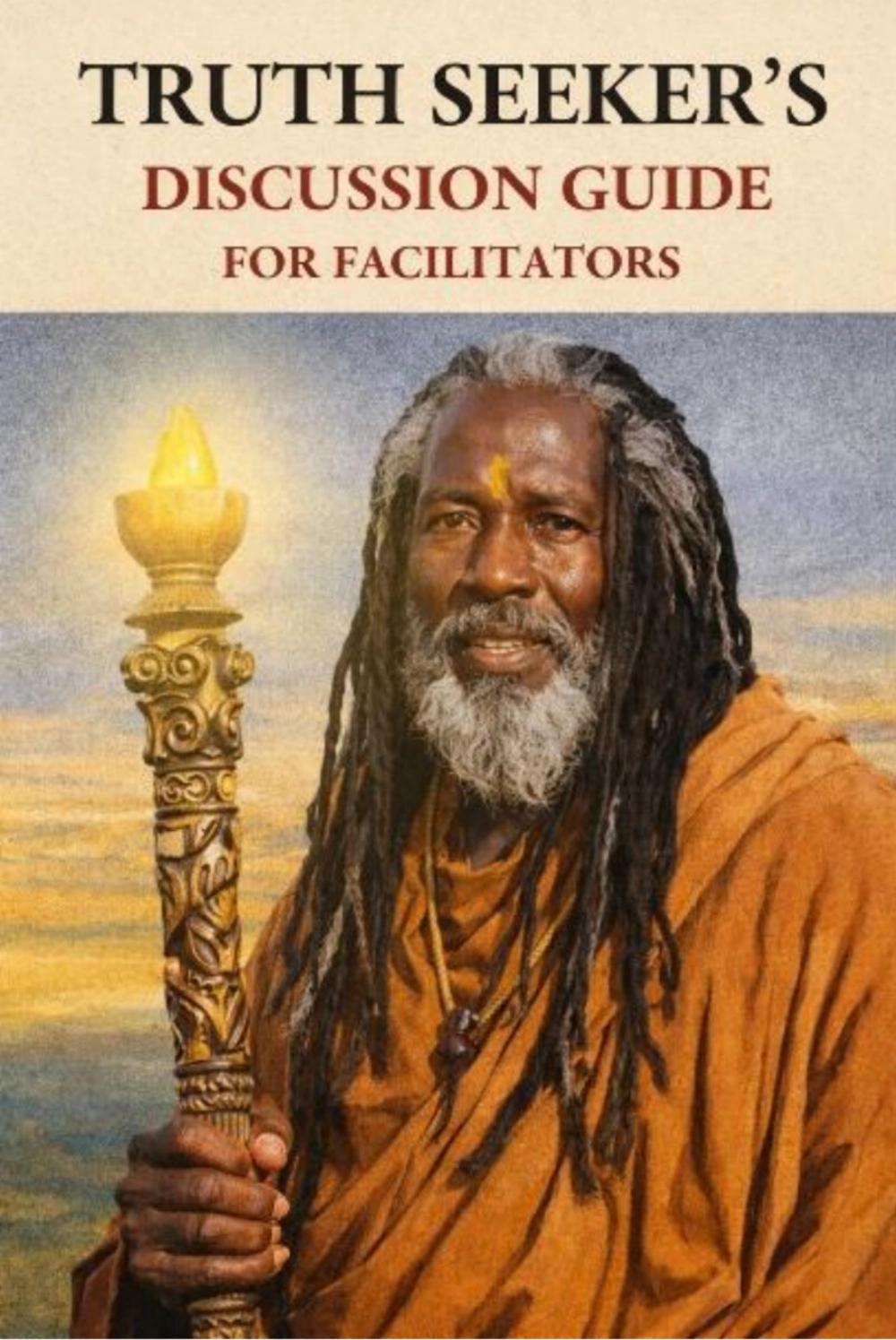
- Get the Truth-Seeker Facilitator’s Guide for only $14.95
-
Bring clarity, structure, and honest history to your learning space
“History doesn’t heal by being hidden. It heals when it’s understood."
What’s included in your purchase?
- Digital PDF file Download
- Full guide covering all 31 episodes of the Series
- Episode summaries & core truths
- Why each myth matters today
- Credible references
Here’s how to get started:
- 1. Download your guide (PDF FILE)
- 2. Choose one episode from the Truth Seeker series to begin.
- 3. Watch the one-minute video first, then use the guide to reflect and discuss.
You don’t need special training or prior expertise. The guide is designed to support you step by step, whether you’re leading a classroom, a museum program, a family discussion, or a community dialogue.